


Mastering Color Theory for Tattoos: Tips for Vibrant, Healed Tattoos
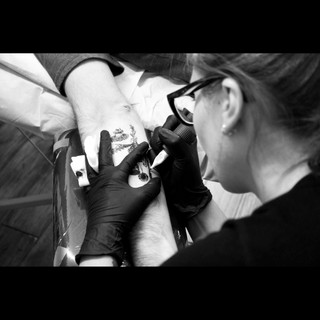
As tattoo artists, our work lives in color. Whether you specialize in soft botanicals, bold neo-traditional designs, or detailed pop art pieces, your ability to understand and apply color theory can make the difference between a tattoo that fades quietly and one that turns heads for years to come.
At Bone & Blossom Tattoo Studio, a female-owned inclusive tattoo shop in Lombard, IL, we’re passionate about both artistry and education. Today, we’re sharing practical tips to elevate your tattoo work through color theory, focusing on saturation, undertones, and skin tone considerations.

Understanding Color Saturation for Tattoos
Saturation refers to the intensity or purity of a color. In tattooing, saturation is everything—a fully saturated red rose will hold its vibrancy far longer than a patchy or watered-down application.
Tips for Better Saturation:
Pack color intentionally: Slow, deliberate passes prevent oversaturation while ensuring the pigment sits in the dermis.
Avoid overworking the skin: Too many passes will break the skin down and lead to patchy healing.
Layer colors thoughtfully: Start with lighter tones and gradually deepen to create dimension without muddying the tattoo.
Pro Tip: Artists often underestimate the value of strategic negative space. Leaving skin breaks allows saturated colors to appear even brighter when healed.
Mastering Undertones for Vibrant Healed Tattoos
Every color has an undertone—warm, cool, or neutral—that will interact with your client’s skin tone. Ignoring undertones can result in dull or uneven color once healed.
Warm Undertones (Yellow/Olive skin): Reds, oranges, and warm greens pop beautifully, while cooler blues and purples may heal more muted.
Cool Undertones (Pink/Light skin): Blues, purples, and cool greens hold vibrancy, while some warmer yellows may appear slightly greenish.
Deep/Brown Skin Tones: Bold primary colors—rich reds, vibrant oranges, and bright yellows—tend to hold best. Avoid pale pastels, which often heal inconsistently.
Pro Tip: When in doubt, test swatch small areas in a design with accent colors before committing to a full sleeve or back piece.
Working With Different Skin Tones
As an inclusive tattoo studio, Bone & Blossom emphasizes the importance of adapting your palette for all skin tones. Melanin isn’t a barrier to vibrant color—it’s simply a filter.
Plan for contrast: Designs with strong outlines and bold shapes heal best on darker skin.
Use strategic highlights: White may not always be visible, but negative space can mimic the effect naturally.
Avoid oversaturation: Overworking skin with higher melanin can cause scarring or poor pigment retention.
Practical Tips for Long-Lasting Color Blends
Smooth color transitions create depth and visual harmony in tattoos. To keep your blends vibrant over time:
Work Wet-to-Wet: Move gradually between colors in the same pass for a seamless gradient.
Choose Analogous Colors: Colors next to each other on the color wheel (like blue and teal) blend naturally.
Anchor with Contrast: Complementary colors (like red and green) create eye-catching vibrancy but should be used carefully to avoid muddiness.
Seal Your Work with Aftercare Education: Even the best saturation fades if clients expose tattoos to sun or skip moisturization.
Mastering color theory is a journey that takes both technical skill and artistic intuition. By understanding saturation, respecting undertones, and adapting to different skin tones, you can create color tattoos that age gracefully and reflect your unique style.
At Bone & Blossom Tattoo Studio, we’re proud to be a female-owned inclusive tattoo shop in Lombard, IL, dedicated to helping artists and clients alike celebrate the art of vibrant, long-lasting tattoos.


Comments