


Healing Matters: Educating Clients About Tattoo Aftercare for Better Tattoo Results
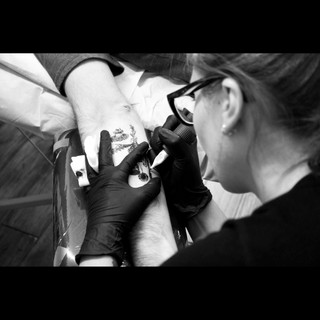
A tattoo is more than just the hours spent under the needle—it’s a collaboration between artist and client. While your skill and precision create the design, how the tattoo is cared for afterward determines how it heals, how vibrant it remains, and how long it lasts.
At Bone & Blossom Tattoo Studio, a female-owned inclusive tattoo shop in Lombard, IL, we believe that aftercare is an extension of the artistry itself. Here’s why educating your clients is essential—and how proper healing practices protect both your work and their skin.

Clients often think the tattoo process ends when they leave the shop. In reality, healing is a multi-week journey that directly impacts the final look of your work.
Good aftercare preserves saturation, line crispness, and skin texture.
Poor aftercare can lead to scarring, patchy color, or even infection.
By giving clear instructions—and explaining the why behind them—you not only protect your reputation but also strengthen your client’s trust in your expertise.
The Science Behind Tattoo Healing
A tattoo is essentially a controlled wound. The body’s healing process involves:
Inflammation Phase (Days 1–3): Redness, swelling, and plasma production as the immune system responds.
Proliferation Phase (Days 4–14): Skin cells rebuild, and a thin scab or flaking skin forms.
Maturation Phase (Weeks 3+): The tattoo settles into the dermis, and the outer layer of skin smooths over.
During each stage, moisture balance, cleanliness, and sun protection are key.
Avoiding Petroleum-Heavy Ointments
While petroleum-based ointments like A&D, Vaseline, and Aquaphor are common in traditional aftercare, they can sometimes cause issues:
Clogged pores: Petroleum creates a barrier that can trap bacteria and sweat.
Delayed healing: Heavy occlusion may prevent oxygen from reaching the wound efficiently.
Breakouts or irritation: Especially for clients with sensitive or acne-prone skin.
The Benefits of Water-Based Tattoo Care
Switching to water-based lotions offers multiple advantages:
Better skin hydration: Allows skin to breathe while retaining moisture.
Reduced risk of irritation: Fragrance-free formulas minimize allergic reactions.
Faster healing appearance: Skin looks less greasy, with a more natural healing process.
We recommend fragrance-free, dye-free lotions like Lubriderm, Aveeno, or Cetaphil for daily moisturizing after the initial healing days.
We give every client clear, written instructions and review them verbally before they leave. Our standard aftercare advice:
Remove bandage within the recommended timeframe.
Wash gently with fragrance-free soap and lukewarm water.
Pat dry—never rub.
Moisturize lightly with a water-based lotion when skin feels dry.
Avoid picking or scratching the tattoo as it flakes.
Protect from sun and soaking (no pools, hot tubs, or tanning beds) until fully healed.
Final Thoughts
Your art doesn’t end when the machine turns off—it continues through the healing process. By educating clients and promoting safe, effective aftercare, you ensure that your work stays as bold and beautiful as the day it was done.
At Bone & Blossom Tattoo Studio, we’re committed to inclusive, intentional tattooing—and that includes making sure every client knows how to care for their new art for the best possible healed results.


Comments